Pages

Showing posts with label white bird. Show all posts

Sociable Fliers The Fascinating Group Behavior of Asian Openbill Birds

Asian Openbill Bird (Anastomus oscitant)

Introduction:

The Asian Openbill Bird, also known as the Asian Openbill Stork or simply Openbill, is a unique species of bird belonging to the stork family (Ciconiidae). It is distinguished by its specialized bill, which has a distinct gap or "open" space near the tip. These birds are widely distributed across South and Southeast Asia and are known for their striking appearance and fascinating feeding habits.
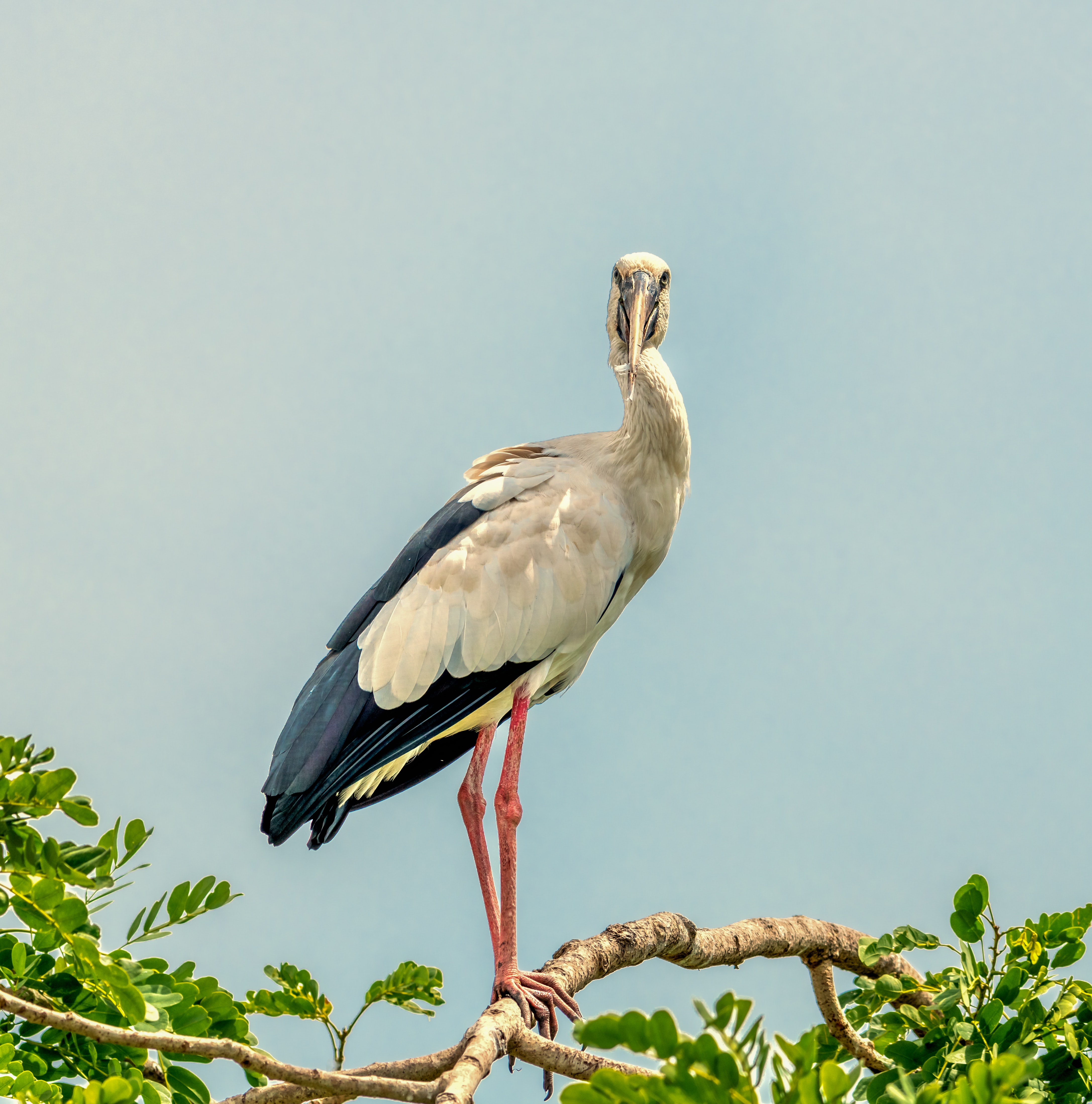
Asian Openbill Bird

Physical Characteristics

Size: The Asian Openbill Bird is a medium-sized stork, measuring around 60 to 68 centimeters (24 to 27 inches) in length.
Plumage: The bird's plumage is predominantly black and white. The body is covered in black feathers, while the wings, tail, and neck are primarily white.
Distinctive Bill: The most noticeable feature of the Asian Openbill is its bill, which is pale grey with a gap or notch between the mandibles near the tip. This unique adaptation allows them to feed on their preferred diet.
Legs: They have long, sturdy legs that aid in wading through shallow water, where they often find their food.

Habitat:

The Asian Openbill Bird inhabits a variety of wetland habitats, including freshwater marshes, swamps, ponds, paddy fields, and other shallow water bodies. They are commonly found in lowland areas and coastal regions.

Feeding Behavior

The name "Openbill" is derived from the bird's feeding behavior. The specialized bill of the Asian Openbill allows it to exploit a particular food source: primarily snails, clams, and other mollusks. They use their bill to probe into mud and water, accessing their prey from their shells with remarkable precision. This dietary adaptation sets them apart from other storks that mainly feed on fish or amphibians.

Social Behavior

Asian Openbill Birds are usually seen in flocks, often foraging together in wetland areas. They are generally non-migratory birds, staying in their chosen habitats throughout the year. During the breeding season, they may form nesting colonies, building large stick nests on trees.

Breeding and Conservation

These storks breed during the monsoon season when their preferred wetland habitats are abundant with food. They lay two to four eggs in their nests, and both parents take part in incubating the eggs and caring for the chicks.

As for conservation, the Asian Openbill Bird is currently listed as a species of "Least Concern" by the International Union for Conservation of Nature (IUCN). However, like many wetland-dependent species, they are vulnerable to habitat loss and degradation due to human activities, and efforts are underway to protect and preserve their natural habitats.

Asian Openbill Bird

Asian Openbill Bird History 

The Asian Openbill Bird (Anastomus oscitans) has a fascinating history intertwined with its unique characteristics and its ecological significance in the wetland ecosystems of South and Southeast Asia.

Evolution and Classification

As a member of the stork family (Ciconiidae), the Asian Openbill has evolved over millions of years to adapt to its specific feeding behavior and habitat preferences. Storks, in general, are large, long-legged birds known for their graceful appearance and ability to wade in shallow water while foraging for food.

Taxonomic Discovery

The Asian Openbill Bird was first described scientifically by the British ornithologist Thomas Horsfield in 1821. Horsfield was a naturalist and physician who made significant contributions to the field of zoology during his time in Southeast Asia. He collected and studied specimens from the region, including the Asian Openbill, and classified them according to their distinct features and characteristics.

Feeding Behavior and Adaptations

The unique and defining feature of the Asian Openbill is its specialized bill, which has a gap or notch near the tip. This adaptation allows the bird to feed primarily on snails, clams, and other mollusks, which are abundant in the wetland habitats it inhabits. By inserting its bill into the shells, the Openbill can extract the soft parts of the mollusks with remarkable precision.

Asian Openbill Bird

Cultural Significance

Throughout history, storks, including the Asian Openbill, have been a subject of admiration and fascination in various cultures. In some regions, they are considered symbols of luck, prosperity, and fertility. Folklore and traditional stories often depict storks as messengers of good news or as guardians of children.

Ecological Importance

The Asian Openbill plays a vital role in wetland ecosystems by regulating the population of mollusks and other invertebrates. Their feeding behavior helps control snail populations, which can otherwise become pests in rice paddies and other wetland areas. Additionally, the bird's presence in wetlands indicates the overall health of these ecosystems, making them valuable indicators of environmental well-being.

Conservation Concerns

While the Asian Openbill Bird is currently classified as a species of "Least Concern" by the IUCN, its conservation status may be influenced by factors such as habitat loss, pollution, and disturbance of wetland areas. Human activities, such as urbanization and agricultural expansion, have led to the destruction and degradation of wetland habitats, potentially impacting the bird's populations in the future.

As the understanding of the Asian Openbill Bird's history and ecological importance continues to grow, conservation efforts are increasingly focused on safeguarding its natural habitats and ensuring the long-term survival of this unique and captivating species.

Asian Openbill Bird

Graceful Guardian The Enchanting Little Egret

Little Egret Bird

The Little Egret (Egretta garzetta) is a small and elegant bird belonging to the heron family, known for its striking white plumage and graceful appearance. 

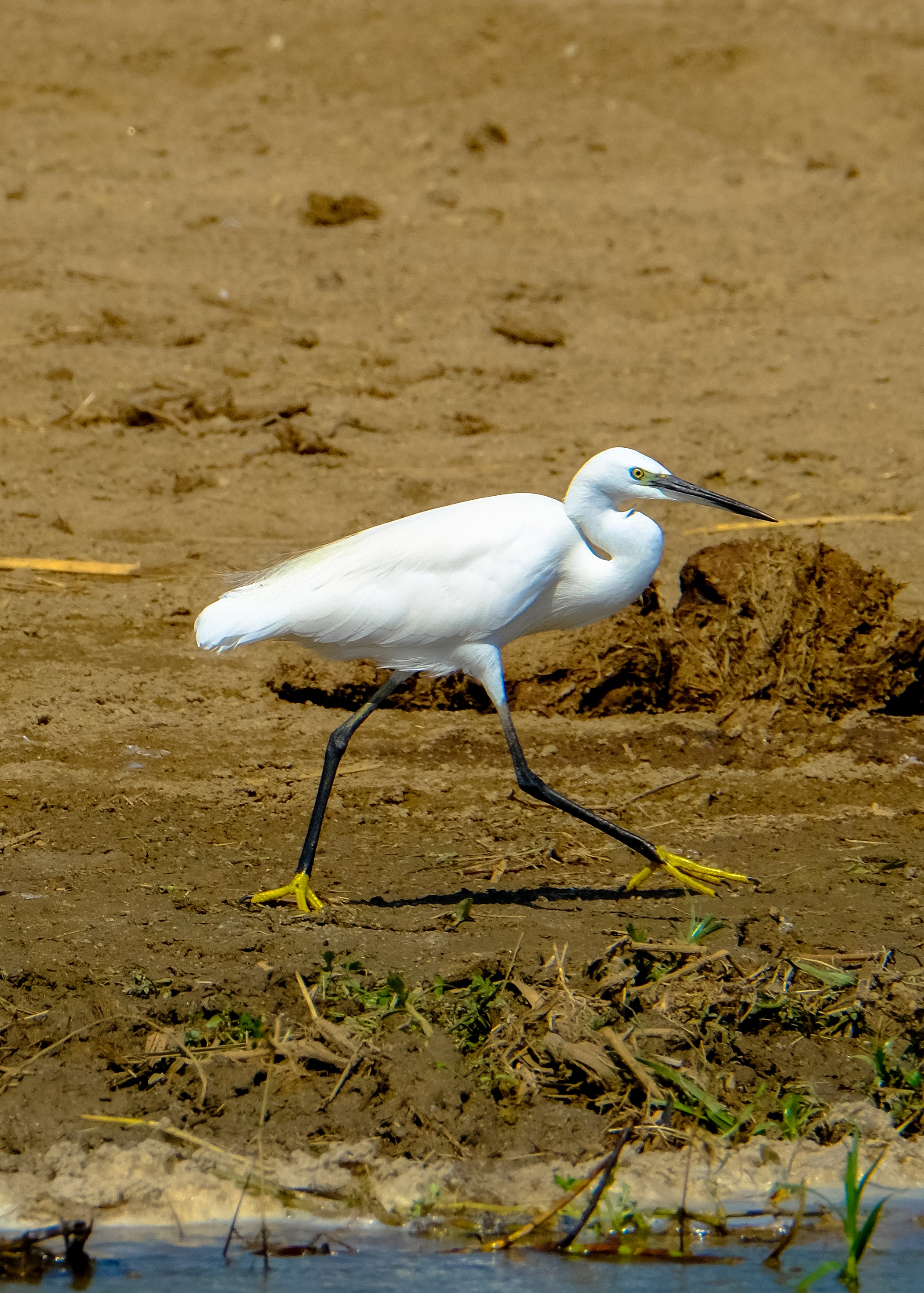
Size and Appearance: The Little Egret is a relatively small bird, measuring about 55-65 centimeters (22-26 inches) in length with a wingspan of around 88-95 centimeters (35-37 inches). It has a slender and streamlined body with long legs that are black in color. The neck is long and slender, which it often extends while hunting for food. Its most striking feature is its pure white plumage, covering the entire body, including the head and neck.

Breeding Plumage: During the breeding season, the Little Egret develops some attractive features. It grows long, delicate feathers called "aigrettes" on its back and neck. These aigrettes are highly prized and unfortunately, in the past, they led to extensive hunting of these birds for the millinery trade, causing significant population declines. However, conservation efforts and legal protections have helped their numbers recover.

Beak and Eyes: The Little Egret has a pointed and yellowish beak that contrasts with its dark facial skin. Its eyes are a striking yellow color, which adds to its beauty.

Little Egret Bird

Behavior: The Little Egret is a diurnal bird, meaning it is active during the day. It is a skilled hunter and mainly feeds on fish, amphibians, crustaceans, and small invertebrates. With its excellent eyesight, it stalks its prey in shallow waters, patiently waiting for the right moment to strike with its sharp beak. It also uses its feet to stir up the mud, flushing out hidden prey. This bird is often seen wading in wetlands, marshes, estuaries, and shallow coastal waters.

Distribution: The Little Egret has a wide distribution range, found in various parts of Europe, Africa, Asia, and Australasia. It is a migratory bird in some regions, moving to warmer areas during the winter months.

Conservation Status: The Little Egret is considered a species of least concern on the IUCN Red List, as its populations are generally stable and increasing. However, localized threats like habitat loss and disturbance can impact specific populations.

The Little Egret's graceful presence and striking appearance make it a favorite among birdwatchers and nature enthusiasts. Its ability to adapt to various environments and its delicate beauty make it a delightful sight for anyone fortunate enough to spot one in the wild.

Little Egret Bird

Little Egret Bird History

The history of the Little Egret (Egretta garzetta) is closely intertwined with human interactions and environmental changes. 

Ancient Depictions: The Little Egret has a long history of interactions with humans. In ancient civilizations, including Egypt and Mesopotamia, egrets and other herons were depicted in art and hieroglyphics, showcasing their cultural significance.

Aigrette Trade: In the 19th and early 20th centuries, the Little Egret faced a significant threat due to the fashion industry's demand for its beautiful aigrettes. These aigrettes, long and delicate feathers grown during the breeding season, were used to adorn hats and clothing, especially among high-society women. The demand for aigrettes led to widespread hunting and poaching of these birds, causing their populations to decline drastically.

Little Egret Bird

Conservation Efforts: Concerns over the rapid decline of egret populations, including the Little Egret, led to the birth of the modern conservation movement. In the early 20th century, conservationists and activists raised awareness about the devastating effects of the aigrette trade and pushed for legal protections for these birds. The Migratory Bird Treaty Act of 1918 in the United States and international treaties like the Convention for the Protection of Migratory Birds in North America were crucial steps in protecting the Little Egret and other migratory birds.

Recovery and Legal Protection: As awareness about the importance of conserving bird species grew, countries implemented stricter regulations to protect the Little Egret and its habitats. Legal protections against hunting, habitat destruction, and trade have contributed to the recovery of egret populations in many regions.

Adaptation to Human-Altered Landscapes: The Little Egret has shown remarkable adaptability to human-altered environments. It has learned to thrive in wetlands, estuaries, coastal areas, and even human-made habitats such as fishponds and rice fields. This adaptability has contributed to its resilience in the face of habitat loss and degradation.

Global Distribution: Due to its adaptability and wide-ranging foraging habits, the Little Egret can be found across various continents, including Europe, Africa, Asia, and Australasia. It is present in both temperate and tropical regions, often utilizing diverse habitats for nesting, foraging, and breeding.

Today, the Little Egret is considered a species of least concern on the IUCN Red List, indicating that its populations are generally stable and not currently at immediate risk of extinction. The history of the Little Egret serves as a reminder of the importance of conservation efforts and the potential impact of human actions on the natural world. Legal protections, habitat conservation, and public awareness remain vital in ensuring the continued survival and well-being of this graceful and charismatic bird species.

Little Egret Bird

Symbol of Beauty The Enigmatic Hoopoe Bird

Hoopoe Birds The Hoopoe (Upupa epops) is a striking and distinctive bird known for its unique appearance and enchanting behaviors.  Exquisit...