Pages

Showing posts with label birds. Show all posts

Symbol of Beauty The Enigmatic Hoopoe Bird

Hoopoe Birds

The Hoopoe (Upupa epops) is a striking and distinctive bird known for its unique appearance and enchanting behaviors. 

Exquisite Plumage: The Hoopoe features a magnificent plumage that showcases an intricate blend of colors. Its crest, consisting of a fan-shaped arrangement of feathers, is particularly captivating. When raised, the crest reveals a beautiful combination of black and white stripes with hues of orange and pink.

Crowned Beauty: Often referred to as the "crowned" bird, the Hoopoe's crest gives it an air of royalty, making it one of the most regal-looking birds in its habitat.

Elegant Silhouette: With a slender body and a long, gently curved bill, the Hoopoe possesses an elegant silhouette. Its wings are adorned with black and white markings, and it has a distinct barred pattern on its back and wings.

Enchanting Flight: During the flight, the Hoopoe's wings reveal a captivating pattern of black and white, accentuating the beauty of its aerial movements. It flies in a series of undulating up-and-down motions, adding grace and charm to its flight.

Hoopoe Bird

Global Distribution: Hoopoes are found in various regions, from Europe and Africa to Asia. They are known to migrate seasonally in search of suitable breeding and feeding grounds.

Distinctive Calls: The Hoopoe's call is a distinctive and resonant "hoop-hoop-hoop," from which it derives its name. The call is often heard during the breeding season as it communicates with its mate or defends its territory.

Ground Forager: Hoopoes are ground foragers, using their long, slender bills to probe the soil in search of insects, larvae, and other invertebrates. They are particularly skilled at detecting prey hidden beneath the surface.

Nomadic Wanderers: While Hoopoes are not true migratory birds, they are known to wander over large distances in search of favorable feeding grounds, especially during the non-breeding season.

Nesting Habits: Hoopoes are cavity nesters and prefer nesting sites in trees, crevices, or even human-made structures like walls and buildings. They use grass, leaves, and feathers to build their nests.

Symbolism and Folklore: Hoopoes hold cultural significance in various societies and have been featured in myths, folklore, and literature throughout history. They are sometimes associated with good luck, protection, and beauty in different cultures.

The Hoopoe's distinct appearance, enchanting calls, and nomadic nature make it a captivating and well-regarded bird, admired by birdwatchers and nature enthusiasts worldwide.

Hoopoe Bird

Hoopoe Birds History

The Hoopoe (Upupa epops) has a fascinating history that stretches back to ancient times and is intertwined with various cultures and beliefs.

Ancient Connections: The Hoopoe has been mentioned in historical texts dating back thousands of years. It is referenced in ancient Egyptian hieroglyphics and is depicted in artwork from ancient Egypt, representing renewal and resurrection due to its habit of probing the earth for insects and its striking crest, which symbolizes the rising sun.

Religious and Symbolic Significance: The Hoopoe holds religious significance in several cultures and belief systems. In Judaism, it is considered a "kosher" bird, and its name appears in the Hebrew Bible, particularly in the book of Leviticus. The Hoopoe's appearance in the Old Testament is linked to themes of purity and ritual cleanliness.

Folklore and Mythology: The Hoopoe appears in numerous folktales and myths across different regions. In Persian and Arabic literature, the Hoopoe is often featured in poetry and symbolic stories, representing beauty, wisdom, and the pursuit of knowledge.

Hoopoe Bird

European Folklore: In European folklore, the Hoopoe was often seen as a harbinger of spring and was believed to bring good fortune and prosperity. It was considered a bird of good omen and a sign of hope.

Cultural Depictions: The Hoopoe has also inspired various artistic representations, including paintings, sculptures, and literary works. Its distinctive appearance and behaviors have fascinated artists, writers, and poets throughout history.

Scientific Discovery: The Hoopoe was first described scientifically by the Swedish botanist and zoologist Carl Linnaeus in the 18th century. Linnaeus gave it the scientific name "Upupa epops," which is believed to be an onomatopoeic representation of its distinctive call.

Conservation Status: While the Hoopoe has a rich historical and cultural significance, it is also important to note its conservation status. The bird faces various threats, including habitat loss and degradation. Conservation efforts are underway to protect its habitats and ensure its survival for future generations to appreciate and cherish.

Overall, Hoopoe's history is a fascinating blend of mythology, symbolism, and scientific discovery. Its unique characteristics and widespread presence in cultural and historical contexts have made it an enduring and cherished bird in the hearts and minds of people across the world.

Hoopoe Bird

Sociable Fliers The Fascinating Group Behavior of Asian Openbill Birds

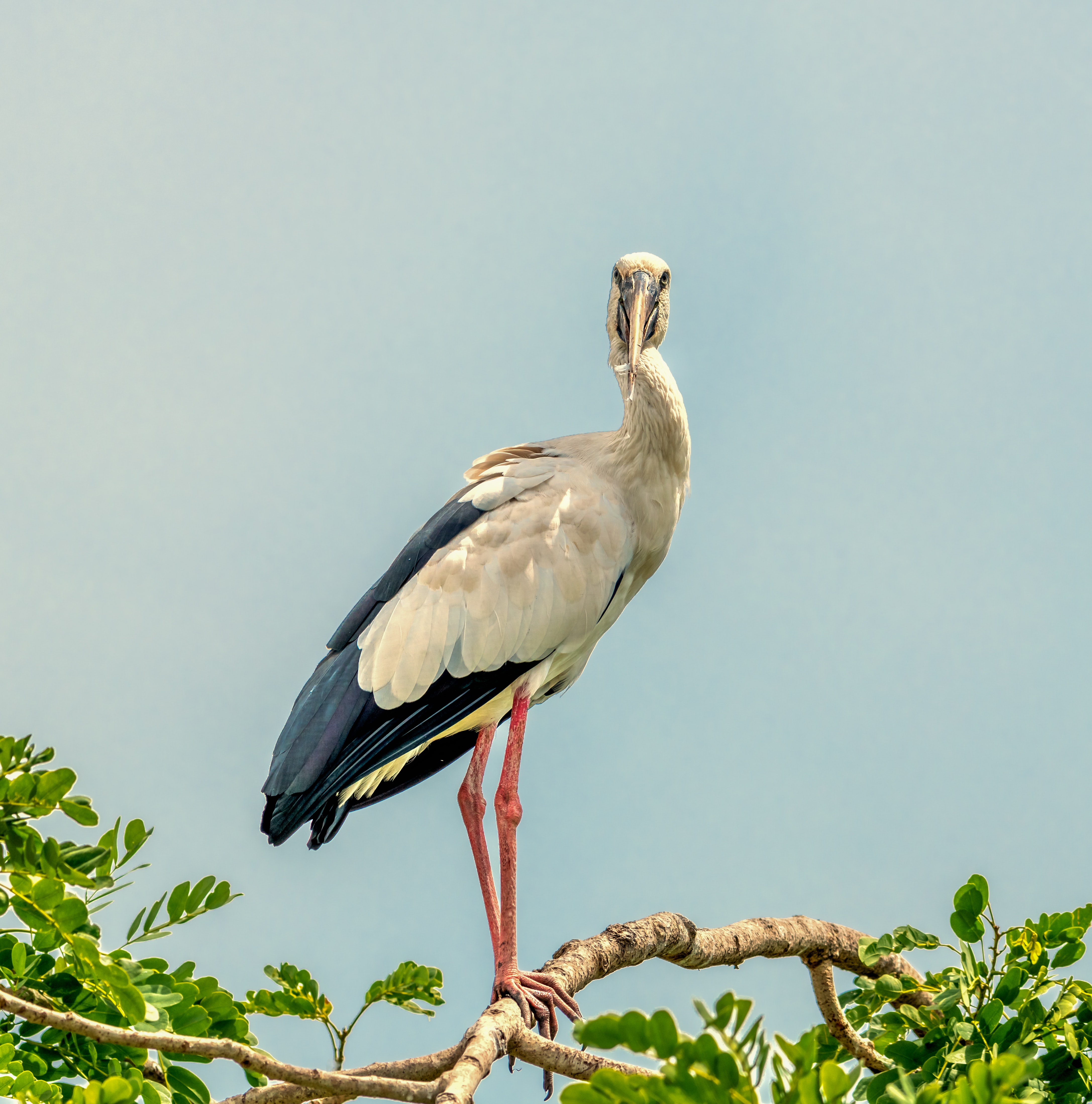
Asian Openbill Bird (Anastomus oscitant)

Introduction:

The Asian Openbill Bird, also known as the Asian Openbill Stork or simply Openbill, is a unique species of bird belonging to the stork family (Ciconiidae). It is distinguished by its specialized bill, which has a distinct gap or "open" space near the tip. These birds are widely distributed across South and Southeast Asia and are known for their striking appearance and fascinating feeding habits.

Asian Openbill Bird

Physical Characteristics

Size: The Asian Openbill Bird is a medium-sized stork, measuring around 60 to 68 centimeters (24 to 27 inches) in length.
Plumage: The bird's plumage is predominantly black and white. The body is covered in black feathers, while the wings, tail, and neck are primarily white.
Distinctive Bill: The most noticeable feature of the Asian Openbill is its bill, which is pale grey with a gap or notch between the mandibles near the tip. This unique adaptation allows them to feed on their preferred diet.
Legs: They have long, sturdy legs that aid in wading through shallow water, where they often find their food.

Habitat:

The Asian Openbill Bird inhabits a variety of wetland habitats, including freshwater marshes, swamps, ponds, paddy fields, and other shallow water bodies. They are commonly found in lowland areas and coastal regions.

Feeding Behavior

The name "Openbill" is derived from the bird's feeding behavior. The specialized bill of the Asian Openbill allows it to exploit a particular food source: primarily snails, clams, and other mollusks. They use their bill to probe into mud and water, accessing their prey from their shells with remarkable precision. This dietary adaptation sets them apart from other storks that mainly feed on fish or amphibians.

Social Behavior

Asian Openbill Birds are usually seen in flocks, often foraging together in wetland areas. They are generally non-migratory birds, staying in their chosen habitats throughout the year. During the breeding season, they may form nesting colonies, building large stick nests on trees.

Breeding and Conservation

These storks breed during the monsoon season when their preferred wetland habitats are abundant with food. They lay two to four eggs in their nests, and both parents take part in incubating the eggs and caring for the chicks.

As for conservation, the Asian Openbill Bird is currently listed as a species of "Least Concern" by the International Union for Conservation of Nature (IUCN). However, like many wetland-dependent species, they are vulnerable to habitat loss and degradation due to human activities, and efforts are underway to protect and preserve their natural habitats.

Asian Openbill Bird

Asian Openbill Bird History 

The Asian Openbill Bird (Anastomus oscitans) has a fascinating history intertwined with its unique characteristics and its ecological significance in the wetland ecosystems of South and Southeast Asia.

Evolution and Classification

As a member of the stork family (Ciconiidae), the Asian Openbill has evolved over millions of years to adapt to its specific feeding behavior and habitat preferences. Storks, in general, are large, long-legged birds known for their graceful appearance and ability to wade in shallow water while foraging for food.

Taxonomic Discovery

The Asian Openbill Bird was first described scientifically by the British ornithologist Thomas Horsfield in 1821. Horsfield was a naturalist and physician who made significant contributions to the field of zoology during his time in Southeast Asia. He collected and studied specimens from the region, including the Asian Openbill, and classified them according to their distinct features and characteristics.

Feeding Behavior and Adaptations

The unique and defining feature of the Asian Openbill is its specialized bill, which has a gap or notch near the tip. This adaptation allows the bird to feed primarily on snails, clams, and other mollusks, which are abundant in the wetland habitats it inhabits. By inserting its bill into the shells, the Openbill can extract the soft parts of the mollusks with remarkable precision.

Asian Openbill Bird

Cultural Significance

Throughout history, storks, including the Asian Openbill, have been a subject of admiration and fascination in various cultures. In some regions, they are considered symbols of luck, prosperity, and fertility. Folklore and traditional stories often depict storks as messengers of good news or as guardians of children.

Ecological Importance

The Asian Openbill plays a vital role in wetland ecosystems by regulating the population of mollusks and other invertebrates. Their feeding behavior helps control snail populations, which can otherwise become pests in rice paddies and other wetland areas. Additionally, the bird's presence in wetlands indicates the overall health of these ecosystems, making them valuable indicators of environmental well-being.

Conservation Concerns

While the Asian Openbill Bird is currently classified as a species of "Least Concern" by the IUCN, its conservation status may be influenced by factors such as habitat loss, pollution, and disturbance of wetland areas. Human activities, such as urbanization and agricultural expansion, have led to the destruction and degradation of wetland habitats, potentially impacting the bird's populations in the future.

As the understanding of the Asian Openbill Bird's history and ecological importance continues to grow, conservation efforts are increasingly focused on safeguarding its natural habitats and ensuring the long-term survival of this unique and captivating species.

Asian Openbill Bird

Trogons Bird Nature's Living Jewels

Trogon Birds

Trogon birds are a fascinating and visually striking group of birds found in tropical and subtropical regions around the world. Here are descriptions highlighting the unique characteristics and beauty of Trogon birds:

Brilliant Plumage: Trogon birds are renowned for their stunning and vibrant plumage. Many species boast a mesmerizing combination of bright colors, such as iridescent greens, blues, reds, and yellows, making them some of the most colorful birds in the world.

Crested Beauty: Several Trogon species exhibit crests or head plumes, which add to their regal appearance. These crests can be raised or lowered, depending on the bird's behavior and mood.

Elegantly Designed Beaks: Trogon birds have distinctively shaped beaks that are often short, broad, and hooked. These beaks are well-adapted for their diet, which mainly includes various fruits, berries, and insects.

Forest Dwellers: Trogons primarily inhabit dense forests and wooded areas, where they are well-camouflaged amidst foliage. Their preference for forested environments adds to the challenge of spotting them in the wild.

Elusive Nature: Trogons are known for their quiet and elusive behavior, making them a thrilling sight for birdwatchers and nature enthusiasts who are fortunate enough to catch a glimpse of these elusive creatures.

Unique Breeding Habits: Some Trogon species display intriguing breeding habits. For instance, male quetzals, a type of Trogon, grow exceptionally long tail feathers during the breeding season, adding to their breathtaking appearance.

Ecological Importance: Trogon birds play a vital ecological role in their habitats. As frugivores, they consume fruits and help disperse seeds, contributing to the regeneration and diversity of plant life in their ecosystems.

Cultural Significance: In some regions where Trogon birds are found, they hold cultural significance and are often associated with myths, legends, or as symbols of beauty, freedom, and grace.

Global Distribution: Trogon birds are found in various regions around the world, with distinct species occurring in Central and South America, Africa, and Southeast Asia. Each species exhibits unique features and adaptations specific to its habitat.

Conservation Concerns: Due to habitat loss and other environmental threats, some Trogon species are facing conservation challenges. Conservation efforts are essential to protect these remarkable birds and preserve their natural habitats.

Trogons are captivating creatures that inspire awe and admiration among birdwatchers, photographers, and nature lovers. Their striking appearance, combined with their ecological importance, makes them a cherished subject for wildlife enthusiasts seeking to observe and appreciate the beauty of these remarkable birds in their natural environments.

Trogon Birds

Trogon Birds History

The history of trogon birds dates back millions of years and is intertwined with the evolutionary story of avian species. Here are descriptions highlighting key aspects of trogon bird history:

Ancient Origins: Trogons are part of the avian family Trogonidae, and they have a long evolutionary history. Fossil evidence suggests that trogons have existed for at least 49 million years, with some of their earliest ancestors found in Europe and North America.

Tropical and Subtropical Distribution: Throughout their evolutionary journey, trogons gradually diversified and adapted to various habitats. Today, trogon species are primarily found in tropical and subtropical regions across the world.

Presence in Various Continents: Different trogon species are distributed across multiple continents, including Central and South America, Africa, and Southeast Asia. This widespread distribution showcases their ability to adapt to diverse environments.

Close Relatives of Extinct Birds: Trogons are believed to be closely related to some extinct bird groups, including fossil taxa like the parargornithids, which were ancient birds with similar characteristics but have since become extinct.

Taxonomy and Classification: The taxonomy and classification of trogon birds have been studied and revised over time. Currently, the Trogonidae family comprises several genera and around 40 recognized trogon species.

Trogon Birds

Cultural Significance: Trogons have captured the human imagination for centuries, leading to cultural significance in certain regions where they are found. In some cultures, trogons are associated with folklore, and myths, and are even considered symbols of beauty, freedom, or spiritual significance.

Study and Research: Scientists and ornithologists have studied trogon birds to better understand their behavior, ecology, and evolutionary history. Researchers have explored various aspects of their biology, such as breeding habits, diet, vocalizations, and migratory patterns.

Conservation Concerns: Like many other bird species, certain trogon populations face conservation challenges due to habitat destruction, deforestation, and other human-induced threats. Conservation efforts are ongoing to protect their natural habitats and preserve their unique biodiversity.

Global Interest: Trogons have garnered global interest among birdwatchers, photographers, and nature enthusiasts due to their striking plumage, elusive behavior, and ecological importance. Birdwatching tours in regions where trogons are found attract enthusiasts from around the world.

Importance in Ecosystems: As frugivorous birds, trogons play a vital ecological role in their habitats by consuming fruits and dispersing seeds. Their feeding behavior contributes to maintaining and diversifying plant life in tropical forests and wooded areas.

The history of trogon birds is a fascinating journey through time, reflecting their resilience, adaptability, and enduring allure in the natural world. As these remarkable birds continue to thrive in diverse ecosystems, efforts to protect and conserve their habitats remain crucial for future generations to appreciate and admire their beauty.

Trogon Birds

Colorful Pheasant of The Himalayas Satyr Tragopan

Satyr Tragopan

The Satyr Tragopan (Tragopan satyr) is a stunning and colorful bird belonging to the pheasant family (Phasianidae). It is native to the eastern Himalayas, including parts of India, Nepal, Bhutan, and China. The male Satyr Tragopan, in particular, is renowned for its vibrant and elaborate plumage, making it one of the most visually striking birds in its range. 

Size and Appearance: The Satyr Tragopan is a medium-sized bird, with males typically measuring around 60-70 centimeters (24-28 inches) in length, including their elongated tail feathers. The females are slightly smaller and have less elaborate plumage.

Distinctive Plumage - Male: The male Satyr Tragopan has a remarkable and flamboyant appearance. Its head is adorned with a black crest, and its facial skin is brightly colored, featuring vivid shades of blue, red, and yellow. The back and wings display a combination of intricate patterns, including black, white, and chestnut markings. One of its most striking features is the inflatable, brightly colored lappet or "fan" on its throat, which is often displayed during courtship to attract females.

Subdued Plumage - Female: The female Satyr Tragopan has more muted plumage compared to the male. Her overall coloration is predominantly brown and mottled, providing excellent camouflage among the forested habitats where she dwells.

Habitat: The Satyr Tragopan inhabits dense, montane forests and mixed forests in the eastern Himalayan region, typically at elevations between 2,000 to 4,500 meters (6,600 to 14,800 feet) above sea level.

Behavior: These birds are primarily terrestrial, foraging on the forest floor for a variety of food, including leaves, fruits, seeds, and insects. They are shy and elusive, often retreating into the thick vegetation when they sense danger.

Breeding and Courtship: During the breeding season, male Satyr Tragopans display their elaborate plumage and engage in an impressive courtship ritual to attract females. This display involves inflating their throat lappet, spreading their wings, and making vocalizations to impress potential mates.

Conservation Status: The Satyr Tragopan is classified as "Near Threatened" by the International Union for Conservation of Nature (IUCN). Their populations have declined due to habitat loss and hunting, as well as illegal trade for the pet industry and traditional medicine.

It's important to appreciate and protect the natural habitats of these beautiful birds to ensure their survival in the wild. As with any living organism, descriptions and conservation status may change over time due to ongoing research and conservation efforts.

Himalayas Satyr Tragopan

Satyr Tragopan History

The history of the Satyr Tragopan (Tragopan satyra) is intertwined with its natural habitat and the cultural significance it holds in the regions where it is found. While the historical information about the bird itself may be limited, its presence in the eastern Himalayas has likely been observed and appreciated by local communities for centuries. Here are some aspects of the Satyr Tragopan's history:

Natural Habitat: The Satyr Tragopan is native to the eastern Himalayan region, including parts of India, Nepal, Bhutan, and China. Throughout history, these areas have been known for their rich biodiversity and unique wildlife, including various species of pheasants.

Local Folklore and Cultural Significance: The Satyr Tragopan, with its striking appearance and courtship displays, might have found a place in local folklore and cultural stories of the indigenous communities in the region. Such magnificent and vibrant birds are often revered or symbolically represented in traditional tales and myths.

Scientific Discovery: As an official species recognized by modern science, the Satyr Tragopan was formally described and classified by ornithologists and naturalists through field observations and specimen collections. Its name, "Tragopan satyra," reflects its scientific identity.

Conservation Awareness: In more recent history, concerns about the conservation status of the Satyr Tragopan and other wildlife in the eastern Himalayas have led to increased research, awareness, and conservation efforts. Conservation organizations and local authorities work to protect the bird's natural habitat and raise awareness about its vulnerable status.

Threats and Challenges: The Satyr Tragopan faces various threats to its survival, including habitat loss due to deforestation, hunting for its beautiful feathers or for food, and the illegal pet trade. These factors have contributed to the species being classified as "Near Threatened" by the International Union for Conservation of Nature (IUCN).

As with many species, the history of the Satyr Tragopan is a combination of its natural presence in the eastern Himalayas, its role in local culture and traditions, and its interaction with human activities over time. Conservation efforts play a vital role in safeguarding its future, ensuring that this stunning bird continues to grace the forests of the Himalayas for generations to come.

Himalayas Satyr Tragopan

The Journey of the Asian Koel

Asian Koel

The Koel bird, also known as the Asian Koel or Eudynamys scolopaceus, is a species of cuckoo that is widely distributed across Asia, including India, Southeast Asia, and parts of China. 

Appearance: Adult male Koel birds have a striking appearance. They measure around 39-46 centimeters in length and have a glossy, all-black plumage. They have a long, slender body, a relatively short tail, and bright red eyes. Their wings are rounded, and their beaks are strong and slightly curved. Adult females, on the other hand, have a more camouflaged appearance with a brownish coloration and white streaks on their underparts.

Voice: The male Koel bird is famous for its distinctive call, which is a loud, repetitive, and monotonous "ko-el" sound. It is often described as a melodious, two-note call. The male's call is frequently heard during the breeding season and is considered a characteristic sound of the Asian countryside. Female Koels, however, have a different call, which is a series of rapid, high-pitched whistles.

Behavior: Koel birds are known to be secretive and elusive, often hiding in the dense foliage of trees. The males are territorial and use their loud calls to establish and defend their breeding territories. They are often seen perched on high branches, calling out to attract females and deter rival males. Female Koels are brood parasites, meaning they lay their eggs in the nests of other bird species, such as crows or babblers. The host birds raise the Koel chicks, unaware that they are not their own offspring.

Diet: Koel birds are primarily frugivorous, meaning they feed on a diet of fruits. They have a preference for figs and berries, but they also consume other fruits and occasionally insects, caterpillars, and small vertebrates. They forage in trees and shrubs, using their beaks to pluck fruits or catch insects.

Habitat: Koel birds can be found in a variety of habitats, including forests, woodlands, parks, gardens, and even urban areas. They are adaptable and can thrive in both primary and secondary forests as long as suitable food sources are available. They are known to be migratory in some regions, moving to different areas depending on the availability of food and breeding conditions.

Koel birds are fascinating creatures with their unique appearance, vocalizations, and breeding behavior, making them a subject of interest for birdwatchers and nature enthusiasts.

Asian Koel

Asian Koel History

The Asian Koel (Eudynamys scolopaceus) has a rich history that spans its distribution range in Asia. Here's an overview of the Asian Koel's history

Taxonomy and Classification: The Asian Koel is a species of cuckoo belonging to the family Cuculidae. It was first described by the Swedish naturalist Carl Linnaeus in 1758. The species name "scolopaceus" is derived from the Greek word for "woodcock" due to the bird's resemblance to the Eurasian Woodcock.

Geographic Range: The Asian Koel is widely distributed across Asia, from the Indian subcontinent to Southeast Asia and parts of China. It is found in countries such as India, Bangladesh, Sri Lanka, Myanmar, Thailand, Malaysia, Indonesia, and the Philippines.

Cultural Significance: The Asian Koel holds cultural significance in many regions where it occurs. In countries like India, its melodious call is often associated with the arrival of the monsoon season and is considered a harbinger of rains. The bird's call is also believed to be a symbol of love and is sometimes associated with folklore and poetry.

Asian Koel

Breeding Behavior: One notable aspect of the Asian Koel's history is its unique breeding behavior. The female Koel is a brood parasite, which means it lays its eggs in the nests of other bird species. The host birds then raise the Koel chicks as their own, often at the expense of their own offspring. This behavior has led to various interactions and adaptations between the Koel and its host species, making it an intriguing subject for scientific study.

Conservation Status: The Asian Koel is generally widespread and not considered globally threatened. However, specific populations may face local challenges due to habitat loss and fragmentation. In some regions, the Koel is hunted for its meat or captured for the illegal pet trade. Overall, its conservation status varies across its range, and conservation efforts are important to ensure its long-term survival.

The history of the Asian Koel is intertwined with its ecological role, cultural significance, and interactions with other bird species. By studying its past and understanding its present challenges, we can work towards ensuring the conservation and protection of this fascinating bird species.

Asian Koel

A Symbol of Island Diversity

Andaman woodpecker

The Andaman Woodpecker (Dryocopus hodgei) is a fascinating bird species found exclusively in the Andaman and Nicobar Islands in the Bay of Bengal, India. 

Andaman woodpecker

Striking Appearance: The Andaman Woodpecker is a visually captivating bird. It has a predominantly glossy black body with distinct white barring on its wings and underparts. The head is adorned with a striking crimson crest, adding a splash of vibrant color to its overall appearance.

Impressive Size: This woodpecker is known for its relatively large size compared to other woodpecker species. It measures around 30 to 35 centimeters in length, making it a notable and prominent bird.

Distinctive Features: The Andaman Woodpecker has a robust body with a strong, chisel-like bill that is perfectly adapted for pecking and drilling into tree trunks. It has strong feet with sharp claws that enable it to cling to vertical surfaces while foraging for food.

Forest Dweller: The Andaman Woodpecker primarily inhabits dense evergreen forests, making its home among the towering trees of the Andaman Islands. It is highly skilled at climbing, hopping, and maneuvering along tree trunks and branches in search of food.

Foraging Behavior: This woodpecker has a specialized diet consisting of insects, grubs, beetle larvae, and other small invertebrates found beneath the bark of trees. It uses its powerful bill to drill into the wood, creating holes to extract its prey.

Vocalizations: The Andaman Woodpecker communicates through a variety of calls and drumming sounds. Its calls include sharp, high-pitched notes that serve as territorial calls and for maintaining contact with its mate.

Endemic Species: The Andaman Woodpecker is a unique and endemic bird species, meaning it is found exclusively in the Andaman and Nicobar Islands. Its restricted range and specialized habitat make it a prized sighting for birdwatchers and nature enthusiasts.

The Andaman Woodpecker is a remarkable bird with its captivating appearance, powerful foraging capabilities, and status as an endemic species of the Andaman Islands.

Andaman woodpecker


History

The Andaman Woodpecker (Dryocopus hodgei) is a bird species that is native to the Andaman and Nicobar Islands in the Bay of Bengal, India. The history of the Andaman Woodpecker is closely tied to the unique ecosystems and geographical isolation of the Andaman Islands.

Endemic to the Andaman Islands: The Andaman Woodpecker is endemic to the Andaman and Nicobar Islands, which means it is found exclusively in this region and nowhere else in the world. The bird has adapted to the specific environmental conditions and resources available on the islands.

Geological Isolation: The Andaman and Nicobar Islands have been geographically isolated for millions of years, separated from mainland India by a deep ocean trench. This isolation has led to the evolution of numerous endemic species, including the Andaman Woodpecker.

Adaptation to Island Habitats: Over time, the Andaman Woodpecker has adapted to the unique forested habitats found on the islands. It has developed specialized skills for climbing trees, excavating wood, and foraging for food within the dense forests.

Conservation Status: The Andaman Woodpecker is classified as a species of "Least Concern" on the IUCN Red List, indicating that it is not currently facing any significant threats to its survival. However, like many other bird species, it may face challenges such as habitat loss due to deforestation or disturbance.

Research and Conservation Efforts: The Andaman Woodpecker, as a unique endemic species, has attracted the attention of researchers and conservationists. Studies on its ecology, behavior, and population dynamics have been conducted to better understand and protect the species and its habitat.

Overall, the Andaman Woodpecker's history is intertwined with the natural history and ecology of the Andaman and Nicobar Islands. Its evolution and adaptation to this isolated island environment highlight the fascinating biodiversity of the region and the importance of conserving its unique species.

Andaman woodpecker


The Graceful Majesty of the Mute Swan

Mute Swan

The Mute Swan (Cygnus olor) is a large water bird known for its elegance and grace. They can also display aggressive behavior, especially during the nesting season, when they may defend their territory vigorously.

Mute Swan


Appearance

Mute Swans are the largest species of swan and possess a majestic appearance. They have long, S-shaped neck that often curve gracefully. Their plumage is primarily white, with adults having a distinct orange-reddish bill and a black knob at the base of their bill. Their legs and feet are black. Younger birds, known as cygnets, have grayish-brown feathers and a grayish-pink bill, which gradually becomes orange as they mature.

Size

Mute Swans are among the largest flying birds, with males (known as cobs) typically measuring between 55 to 63 inches (140 to 160 cm) in length and weighing around 20 to 30 pounds (9 to 13.6 kg). Females (known as pens) are slightly smaller, measuring between 50 to 57 inches (127 to 145 cm) in length and weighing around 15 to 25 pounds (6.8 to 11.3 kg).

Behavior 

Mute Swans are known for their elegance and poise. They are strong and powerful swimmers, often seen gliding gracefully across lakes, ponds, and slow-moving rivers. Despite their name, they are not completely silent but produce a range of vocalizations including hissing, honking, and grunting sounds. Mute Swans are monogamous birds and form lifelong pair bonds.

Habitat 

Mute Swans are native to Europe and Asia, but they have been introduced to various parts of the world as ornamental birds. They are commonly found in freshwater habitats such as lakes, ponds, and marshes. They prefer shallow water with abundant vegetation, which provides them with food sources and nesting sites.

Diet 

Mute Swans are herbivorous birds and feed primarily on aquatic plants, such as submerged vegetation, algae, and pondweed. They also graze on land, consuming grasses, grains, and agricultural crops. They are capable of upending themselves in the water to reach underwater vegetation.

Conservation Status

 Mute Swans are not considered globally threatened and are listed as a species of "Least Concern" by the International Union for Conservation of Nature (IUCN). However, their populations are monitored in some regions due to their potential impact on native waterfowl and habitats.

Mute Swan

History

Ancient Symbolism

Mute Swans have been revered and symbolized in various ancient cultures. They held significant symbolism in Greek and Roman mythology, representing beauty, grace, and love. Mute Swans were associated with deities such as Aphrodite, the Greek goddess of love, and Venus, the Roman goddess of beauty.

Domestication and Ornamental Use

Mute Swans were likely domesticated in ancient times for their ornamental value. Historical records suggest that they were kept in captivity by ancient Egyptians and Romans, primarily for their aesthetic appeal in gardens and parks. They were highly prized for their elegance and grace.

Royal Ownership and Protection

Mute Swans became closely associated with royalty and nobility during the Middle Ages in Europe. In England, Mute Swans were declared the property of the Crown under the "Act of Swans" in the 12th century, granting exclusive ownership to the British monarch. This tradition continues today, and the British Crown still retains ownership of all unmarked Mute Swans on certain stretches of the River Thames.

Introduction to North America 

Mute Swans were introduced to North America in the late 19th and early 20th centuries. They were brought over from Europe and released into parks, estates, and water bodies for their aesthetic appeal. Over time, some Mute Swan populations became established and expanded their range in parts of North America.

Conservation and Management

The status of Mute Swans has been a topic of discussion and management efforts in various regions. In some areas, their increasing populations and potential impact on native waterfowl and habitats have raised concerns. Conservation and management measures have been implemented to monitor and control Mute Swan populations in certain locations.

Current Status

Mute Swans are now found in different parts of the world, both in their native range and as introduced populations. They continue to be admired for their beauty and grace, often regarded as iconic symbols of elegance in the avian world.


It's important to note that while the Mute Swan has a rich history and cultural significance, it is also an important species in terms of conservation and ecological impact, requiring careful management to ensure the preservation of native habitats and wildlife populations.


Mute Swan

Bulbuls Nature's Gift of Music and Beauty

Bulbul 

Bulbul
  1. Bulbuls are small to medium-sized passerine birds belonging to the family Pycnonotidae. They are known for their melodious songs and vibrant plumage.
  2. These songbirds are found in various habitats, including forests, woodlands, gardens, and urban areas across Africa, Asia, and the Pacific Islands.
  3. Bulbuls typically have compact bodies, short necks, and rounded wings. They range in size from around 6 to 9 inches (15 to 23 centimeters) in length.
  4. The plumage of bulbuls varies among species but often showcases a combination of colors such as brown, gray, black, white, and various shades of red, yellow, or orange. Some species may have distinctive crests or patches of bright colors.
  5. Bulbuls are known for their vocalization and have a wide repertoire of songs and calls. They can produce melodious tunes, whistles, trills, and a variety of other vocal sounds.
  6. These birds have a diverse diet that includes fruits, nectar, insects, small invertebrates, and occasionally seeds. Some species may also feed on flower petals or engage in insect-catching behavior.
  7. Bulbuls are typically monogamous and form pair bonds during the breeding season. They construct cup-shaped nests using materials such as twigs, leaves, and grasses. These nests are often located in shrubs, trees, or other elevated areas.
  8. Breeding behavior among bulbuls varies, but it generally involves both parents participating in the incubation and feeding of the young. Bulbul chicks hatch altricial, meaning they are born naked and helpless and require parental care for a significant period.
  9. Many bulbuls are resident birds, meaning they stay in their habitats year-round. However, some species undertake seasonal migrations to take advantage of food resources or breeding conditions.
  10. Bulbuls play important ecological roles as seed dispersers and pollinators, contributing to the overall health and diversity of ecosystems they inhabit.

Bulbul


bulbuls Restricted distributions

Bulbuls, as a family of birds, have a diverse range of species with varying distributions. While many bulbuls have wider distributions across multiple regions, some species do exhibit restricted distributions. 
Ashy Bulbul (Hemixos flavor): This bulbul is found in Southeast Asia, specifically in the countries of Myanmar, Thailand, Laos, and Vietnam. Its distribution is limited to these regions.
Yellow-vented Bulbul (Pycnonotus goiavier): This species is native to Southeast Asia and is found in countries such as Malaysia, Indonesia, Thailand, and the Philippines. While it has a relatively wide distribution within this region, it is restricted to Southeast Asia.
Hwamei (Garrulax canorus): The Hwamei is a bulbul species native to East Asia, particularly China and Vietnam. It has a more restricted distribution within these countries.
Black-headed Bulbul (Brachypodius melanocephalos): This bulbul is found in the Indian subcontinent and parts of Southeast Asia. Its distribution is limited to countries such as India, Nepal, Bhutan, Myanmar, and Bangladesh.

Each species has its own unique range and habitat preferences. It's worth noting that the presence of restricted distributions often contributes to the conservation significance of these species, as they may face specific threats and require targeted conservation efforts.

Beautiful and Colourful Birds in India

Oriental Dwarf Kingfisher

The Oriental Dwarf Kingfisher (Ceyx Ithaca) is a small, brightly colored bird belonging to the kingfisher family, Alcedinidae. 

Appearance: The Oriental Dwarf Kingfisher is a petite bird, measuring about 13-14 centimeters (5-5.5 inches) in length. It has a stocky build with a large head and a short tail. The male and female have similar appearances. The upper parts of the bird are a vibrant combination of deep ultramarine blue and rich rufous orange. The head and mantle are predominantly blue, while the back, wings, and tail display shades of rufous orange. The underparts are a bright rufous-orange or chestnut color. The bill is relatively long and pointed, and the eyes are large and black.

Distinctive Features: The striking coloration of the Oriental Dwarf Kingfisher makes it stand out in its habitat. The vibrant blue and orange plumage, combined with its small size, make it a highly sought-after bird for birdwatchers and photographers. Another distinctive feature is its short tail, which is often held slightly cocked.

Behavior: The Oriental Dwarf Kingfisher is a solitary bird and is known for its secretive nature. It spends a significant amount of time perched quietly, patiently waiting for its prey. As its name suggests, it primarily feeds on small fish, insects, crustaceans, and other aquatic invertebrates, which it catches by diving into the water from perches near the water's edge.

The kingfisher has a distinctive call, which is a series of high-pitched, shrill notes. It is more often heard than seen due to its elusive nature. During the breeding season, the male may engage in short displays, including fluttering flights and calling, to attract a mate.


Oriental Dwarf Kingfisher


Paradise Flycatcher

The Paradise Flycatcher refers to a group of bird species belonging to the family Monarchidae, known for their graceful appearance and aerial acrobatics. 

Appearance: Paradise Flycatchers are small to medium-sized birds, typically measuring around 15-20 centimeters (6-8 inches) in length. The males and females often exhibit distinct plumage characteristics, especially during the breeding season. However, it's important to note that there are several species within the Paradise Flycatcher group, and their appearances can vary significantly.

Male Paradise Flycatchers: Male Paradise Flycatchers are known for their striking and elaborate plumage, particularly during the breeding season. They often have long, flowing tail feathers that can extend well beyond their body length. The colors of their plumage range from white, cream, or pale gray to vibrant blues, blacks, or chestnut browns, depending on the species. Some species have ornate crest feathers on their heads, enhancing their regal appearance. Their wings are typically dark in color.

Female and Immature Paradise Flycatchers: Females and immature Paradise Flycatchers have more subdued plumage compared to males. They are generally less colorful and lack long, flowing tail feathers. Their plumage is often a combination of grays, browns, and whites, providing better camouflage for nesting and foraging purposes.

Behavior: Paradise Flycatchers are known for their aerial acrobatics, performing agile flights as they catch insects mid-air. They have excellent maneuverability and can make quick turns and dives to snatch their prey. Their diet primarily consists of insects, including flies, beetles, and butterflies. They perch on branches or other elevated positions, watching for prey, and then dart out to catch it in flight.

Breeding: During the breeding season, male Paradise Flycatchers engage in courtship displays to attract females. These displays often involve elaborate flight patterns, fluttering wings, and vocalizations. Males may also showcase their vibrant plumage, including their long tail feathers, to impress potential mates. Nests are usually constructed by the female, and they are typically cup-shaped and built on branches or in tree forks. The female incubates the eggs and cares for the chicks, while the male may assist in providing food.


Paradise Flycatcher
Paradise Flycatcher


Parrot

Parrots are a diverse group of birds belonging to the family Psittacidae, known for their vibrant colors, intelligence, and ability to mimic sounds. 

Appearance: Parrots exhibit a wide range of sizes, with some species measuring as small as 10 centimeters (4 inches) in length, while others can reach up to 100 centimeters (40 inches) or more. They have a compact, sturdy build with a short neck and a strong, curved beak. Their feet have four toes, with two toes pointing forward and two toes pointing backward, enabling them to grasp and manipulate objects.

Colors and Plumage: Parrots are renowned for their bright and varied plumage, which often features combinations of vivid colors such as red, blue, green, yellow, and orange. The patterns and coloration vary among species, with some parrots displaying solid colors, while others have intricate patterns, markings, or gradients. Their feathers are dense, providing insulation and protection from the elements.

Intelligence and Vocal Abilities: Parrots are highly intelligent birds, known for their problem-solving skills, ability to learn complex tasks, and exceptional memory. They have a well-developed vocal apparatus, allowing them to produce a variety of sounds, including calls, songs, and mimicry of human speech and other environmental sounds. Some parrot species, such as the African Grey Parrot, are particularly renowned for their exceptional mimicry skills.

Habitat and Distribution: Parrots are found in various habitats across the globe, including rainforests, savannas, woodlands, and even arid regions. They are native to tropical and subtropical regions of South America, Central America, Africa, Asia, Australia, and some Pacific Islands. Many parrot species are endemic to specific regions and exhibit a high level of habitat specialization.

Diet: The diet of parrots primarily consists of fruits, seeds, nuts, and vegetation. Different species may have specific dietary preferences and adaptations based on their natural habitat. Some parrot species are known to feed on nectar, while others may consume insects or small vertebrates.


Parrot
Parrot


Great hornbill

The Great Hornbill (Buceros bicornis) is a large and majestic bird belonging to the hornbill family, Bucerotidae. 

Appearance: The Great Hornbill is a striking bird with a distinct and impressive appearance. It is one of the largest hornbill species, measuring approximately 95-130 centimeters (37-51 inches) in length and weighing around 2-4 kilograms (4.4-8.8 pounds). The most prominent feature of the Great Hornbill is its large, curved bill, which can measure up to 30 centimeters (12 inches) in length. The bill is yellowish-white in color with a black or dark brown base and a casque (a hollow, helmet-like structure) on top. The head, neck, and upper breast are black, contrasting with the white or yellowish feathers on the belly and tail. The wings and back are dark brown or black, and the eyes are surrounded by a patch of pale blue skin.

Distinctive Features: The Great Hornbill is known for its striking casque, which is a unique feature among hornbill species. The casque is hollow and acts as a resonating chamber, amplifying the bird's calls. It also plays a role in courtship displays and territorial defense. Males generally have larger and more pronounced casques than females. Another notable feature is the large wingspan, which can reach up to 180 centimeters (71 inches), enabling the bird to soar gracefully through the air.

Behavior: Great Hornbills are diurnal birds and spend a significant amount of time perched on tree branches, where they engage in preening, sunning, and resting. They have a strong and agile flight and are capable of flying long distances in search of food and suitable nesting sites. These birds are generally found in pairs or small family groups and are known for their strong monogamous bonds. They communicate with loud, guttural calls, often heard during morning and evening hours.

Diet: The diet of the Great Hornbill mainly consists of fruits, especially figs, which make up a significant portion of their food intake. They also feed on insects, small vertebrates, including reptiles and birds' eggs, and occasionally, small mammals. The large bill helps in catching and manipulating prey items and reaching fruits from branches.


Great hornbill
Great hornbill

Multi Coloured and Prettiest Peafowl Birds

Peafowl

The Indian Peafowl, also known as the Indian Peacock (scientific name: Pavo cristatus), is a large and colorful bird native to the Indian subcontinent. It is the national bird of India and holds cultural and religious significance in the region. 

Appearance: The male Indian Peafowl, known as a peacock, is famous for its extravagant and vibrant plumage. It has a long, iridescent blue-green neck and a crest on its head. The most striking feature is its long and elaborate train of feathers, which can reach up to 5 feet (1.5 meters) in length. The train feathers are adorned with striking eye-like patterns, known as ocelli, which have a combination of blue, green, gold, and bronze hues. The female called a peahen, has a more subdued appearance with brownish-gray feathers and a shorter crest.

Size: Peafowls are large birds. The males are generally larger than the females. The length of an adult male peacock, including its train, can range from 5 to 7 feet (1.5 to 2.1 meters). The females, on the other hand, are smaller, measuring around 3 to 4 feet (0.9 to 1.2 meters) in length.

Behavior: Peafowls are known for their stunning courtship displays. During the breeding season, the male peacock spreads his train feathers into a magnificent fan and performs an elaborate dance to attract the attention of the females. This display involves shaking the feathers, spreading the train in a semi-circle, and vibrating the feathers rapidly, creating a mesmerizing effect. The male also emits a loud call, which sounds like a combination of a trumpet and a meow. Peafowls are generally terrestrial but are capable of short flights to escape danger or reach roosting spots.

Diet: Peafowls are omnivorous. They primarily feed on plant matter such as seeds, grains, fruits, flowers, and leaves. Additionally, they consume insects, worms, reptiles, and small mammals. They forage on the ground, using their beaks to search for food.
The Indian Peafowl is not only admired for its stunning beauty but also plays a significant role in Indian culture, folklore, and art. Its distinctive appearance and courtship displays make it an iconic and beloved symbol of India.


Peafowl
Peafowl

Indian Pitta

The Indian Pitta (scientific name: Pitta brachyura) is a small and colorful bird native to the Indian subcontinent. It is known for its vibrant plumage and melodious song. 

Appearance: The Indian Pitta has a striking and colorful appearance. It has a stout body with a relatively short tail. The upper parts of the bird are predominantly green, with a black crown and a black band running through the eyes. The throat and upper breast are bright red, while the belly and lower breast are rich blue. The wings display a combination of blue, green, and black, with distinct white bars. Overall, the plumage provides excellent camouflage among the foliage.

Size: The Indian Pitta is a small bird, measuring about 18 centimeters (7 inches) in length. It has a wingspan of around 26 centimeters (10 inches) and weighs approximately 50 grams.

Behavior: Indian Pittas are primarily ground-dwelling birds. They are known for their secretive nature and often remain hidden in thick undergrowth, making them challenging to spot. Despite their elusive behavior, they are highly vocal during the breeding season. The male produces a melodious and varied song, consisting of a series of whistles, trills, and flute-like notes. Their calls are often described as a distinct "piu-piu-piu" or "twee-twee-twee" sound.

Diet: Indian Pittas primarily feed on insects, including beetles, ants, termites, grasshoppers, and caterpillars. They have a distinctive hunting behavior known as "hopping and pausing," where they hop quickly on the ground, pause to listen for insect sounds, and then swiftly strike and capture their prey.


Indian Pitta
Indian Pitta

Demoiselle Crane

The Demoiselle crane (Grus virgo) is a species of bird belonging to the crane family, Gruidae. 

Appearance: The Demoiselle crane is a medium-sized crane with a graceful and slender appearance. It measures approximately 85-100 cm (33-39 inches) in length and has a wingspan of about 155-180 cm (61-71 inches). The plumage of adult Demoiselle cranes is predominantly gray, with lighter gray or white feathers on the head, neck, and upper breast. The back and wings are pale gray, and the tail is long and black. They have a small and slender black bill.

Distinctive Features: One of the distinguishing features of the Demoiselle crane is the elegant tuft of elongated feathers that extends from the back of the head to the upper neck. This feature is more prominent in males. They also have long, thin legs, which are black in color. Another distinctive feature is their elaborate courtship dance, which involves leaping, bowing, and wing-flapping displays.

Behavior: Demoiselle cranes are social birds that typically form large flocks, both during the breeding season and while on migration. They are known for their impressive migratory flights, often covering thousands of kilometers. During migration, they form long V-shaped formations, taking advantage of thermals and updrafts to minimize energy expenditure. They are also known for their distinct, trumpeting calls.

Diet: These cranes primarily feed on a varied diet consisting of insects, small invertebrates, seeds, grains, and plant matter. They forage in grasslands, agricultural fields, wetlands, and shallow water bodies, probing the ground or picking items from the surface.


Demoiselle Crane
Demoiselle Crane

Symbol of Beauty The Enigmatic Hoopoe Bird

Hoopoe Birds The Hoopoe (Upupa epops) is a striking and distinctive bird known for its unique appearance and enchanting behaviors.  Exquisit...